


Acoplamiento de sistemas y selección de procesos para líneas de producción de ladrillos: desde la combinación de máquinas individuales hasta la maximización de la eficiencia de la línea de producción.
Impulsadas por el aprovechamiento de los residuos sólidos y la modularización de la construcción, las líneas de producción de ladrillos han evolucionado hasta convertirse en sistemas complejos que integran la dinámica mecánica, la reología de los materiales y la automatización industrial. La configuración de la línea de producción no se limita a la simple acumulación de equipos, sino que implica un diseño de equilibrio dinámico basado en las características del material, el ciclo de moldeo y el ritmo logístico. Este artículo, desde la perspectiva de un ingeniero, desglosa la lógica subyacente de la selección para las etapas de mezcla, dosificación, transferencia y empaquetado.
I. Sección de mezcla: Ajuste de volumen y establecimiento del sistema de mezcla.
La principal contradicción en la selección de mezcladores radica en la sincronización entre la producción del lote y el consumo de material de la unidad principal en un solo ciclo de moldeo. Un error común consiste en vincular directamente el modelo del mezclador con la producción, ignorando la estricta restricción del tiempo de homogeneización del mezclado.
Para líneas de producción que utilizan mezcladoras planetarias o de doble eje, la tasa de utilización del volumen total de la mezcladora debe controlarse idealmente entre el 60 % y el 70 %. Si la mezcladora principal requiere 0,8 m³ de hormigón denso por lote, el volumen de descarga de la mezcladora debe seleccionarse entre 1,0 y 1,25 m³ (por ejemplo, grado JS1000 o JS1250). Este volumen adicional no es para "aumentar las reservas", sino para proporcionar suficiente espacio de corte para la dispersión instantánea de los aditivos en fase líquida (como agentes reductores de agua y colorantes), evitando el "agarre del eje" o una mezcla irregular debido al sobrellenado del tanque de mezcla.
Una consideración más profunda radica en el régimen de mezcla. Al producir ladrillos de hormigón permeablesEl tiempo de mezclado debe extenderse a 1,5 veces el de los bloques convencionales. Esto significa que, incluso si el volumen de la mezcladora es suficiente, su número de ciclos por unidad de tiempo disminuirá. Por lo tanto, la configuración debe ajustarse según el producto objetivo, añadiendo una tolva de almacenamiento intermedio (buffer) debajo de la mezcladora. Su volumen debe ser suficiente para almacenar el material utilizado en 3 a 5 lotes de moldeo de la mezcladora principal, aislando así el ciclo de mezclado del ciclo de moldeo y evitando interferencias entre ambos.
II. Sección de procesamiento por lotes: El juego entre la precisión estática y el flujo dinámico
La máquina dosificadora es el "sistema inmunitario" de la línea de producción. En la práctica industrial, el aumento del coeficiente de variación de la resistencia causado por errores en el pesaje del material es la fuente más insidiosa de pérdidas de costes.
¿Es un? máquina dosificadora automática ¿Es necesario? Sí, pero es fundamental distinguir entre el pesaje acumulativo y el pesaje independiente. Para la producción de bloques de relleno comunes, una dosificadora de tres tolvas que utilice el pesaje acumulativo de agregados y el pesaje independiente de cemento es suficiente para cumplir con las normas nacionales. Sin embargo, para adoquines de colores o ladrillos permeables, es necesario actualizar el sistema al pesaje independiente de cada material, ya que la cantidad de pigmentos y agentes de refuerzo añadidos suele medirse en partes por mil, y el pesaje acumulativo no puede detectar cambios tan mínimos en el peso neto.
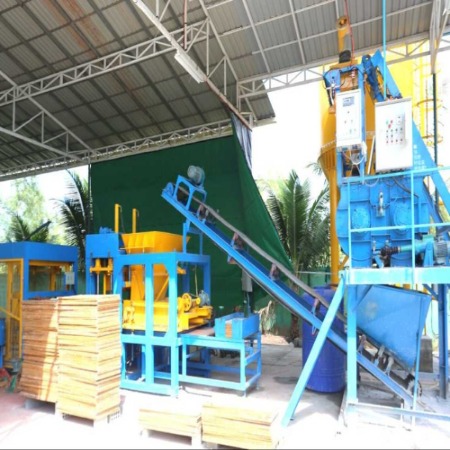
Cabe destacar que la selección de una máquina dosificadora debe centrarse en la adaptabilidad del mecanismo de alimentación. Para gravilla o polvo fino reciclado procedente de residuos de construcción con alto contenido de humedad, se debe utilizar un alimentador de cinta con control de velocidad y frecuencia variable en lugar de un alimentador vibratorio electromagnético convencional para evitar la formación de arcos eléctricos o la acumulación de material en la entrada de alimentación. Asimismo, se instala una báscula intermedia con tolva de transición entre la máquina dosificadora y la mezcladora, lo que permite una verificación secundaria de la cantidad de alimentación. Esta es una característica clave de redundancia en las líneas de producción de alta gama para garantizar que la desviación estándar de la resistencia del producto final se mantenga dentro de ±1,5 MPa.
III. Línea de recepción de ladrillos y lógica de curado: No es simplemente un reemplazo para el trabajo manual.
La decisión de configurar una línea automática de recepción de ladrillos (que incluya máquinas elevadoras, máquinas de descenso y transportadores de cadena) no debe basarse únicamente en cálculos de costes laborales, sino más bien en el proceso fundamental de curado.
La resistencia de los ladrillos sin cocer depende del curado estático y del curado con vapor. La ventaja del apilamiento manual reside en su flexibilidad: los operarios pueden ajustar el número de capas y los espacios de ventilación según la humedad de los ladrillos. Si el proceso rígido de una línea automática de recepción de ladrillos no se complementa con un sistema de programación del horno de curado, apilar los ladrillos demasiado alto de forma prematura impedirá la liberación del calor de hidratación interno, lo que provocará una superficie suelta o agrietada.
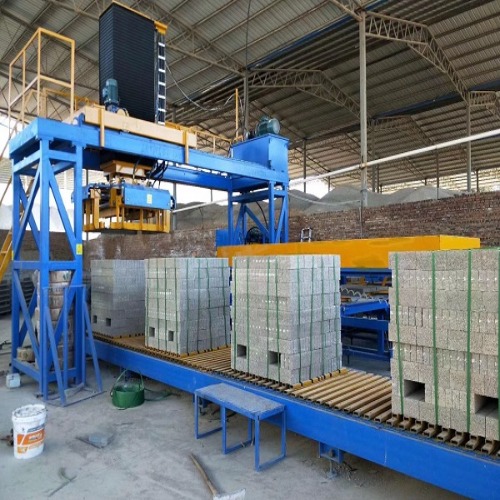
Por lo tanto, una estrategia de configuración racional es: diferenciar entre familias de productos. Para bloques portantes de más de 190 mm de espesor, cuya resistencia estructural es suficiente para soportar múltiples pilas, se debe configurar decisivamente una línea de recolección automática de ladrillos para reducir el trabajo manual. Para ladrillos de pared delgada o ladrillos decorativos de revestimiento de menos de 90 mm de espesor, se recomienda mantener estaciones de recolección manual de ladrillos o adoptar un modo de apilamiento semiautomático de capas bajas y alta frecuencia. Si el diseño del proceso incluye cocción secundaria (es decir, autoclave), una línea de recolección automática de ladrillos es esencial, ya que la eficiencia de carga del autoclave depende completamente de la regularidad geométrica de la pila de ladrillos, que es difícil de lograr manualmente.
IV. Sección de embalaje: Del embalaje protector a la mejora del transporte logístico
La selección de empacadoras está experimentando un cambio funcional, pasando de "prevenir daños en bordes y esquinas" a "adaptarse a la logística a granel". Si bien las correas de acero tradicionales pueden asegurar pilas de ladrillos, en el caso de ladrillos de pavimentación grandes, se generan fácilmente grietas por tensión cuando las correas de acero se tensan.
Actualmente, la práctica de ingeniería tiende a utilizar flejes de acero recubiertos de plástico PET combinados con cabezales de embalaje soldados por fricción. Sus ventajas radican en que el coeficiente de dilatación y contracción térmica del fleje de acero recubierto de plástico es similar al del hormigón, y la tensión de embalaje se puede ajustar digitalmente (generalmente entre 200 y 300 N), sin dañar los bordes de los ladrillos.
En cuanto al nivel de automatización de la máquina de embalaje, este debe determinarse según la frecuencia de producción de ladrillos. Si la producción horaria de la línea es inferior a 800 ladrillos estándar, una máquina de embalaje neumática móvil combinada con flejado manual es suficiente en términos de eficiencia operativa. Si la producción supera los 1200 ladrillos/hora, se debe configurar una línea de embalaje totalmente automática tipo flecha y añadir una máquina clasificadora de ladrillos antes de la estación de embalaje para escalonar las juntas de los ladrillos entre capas. Esto permite un embalaje sin palés, es decir, las pilas de ladrillos embaladas se cargan directamente en camiones como unidades logísticas independientes, ahorrando el coste de los palés de madera, lo que supone un ahorro aproximado de 150 yuanes en costes de consumibles por cada 10 000 ladrillos.
V. Acoplamiento del sistema: La lubricación central y la eliminación de polvo a menudo ignoradas. Presión negativa.
La prueba definitiva de la configuración de la línea de producción reside en la fiabilidad de su funcionamiento continuo a largo plazo. Las configuraciones auxiliares para los tres componentes —suministro de grasa al sello del extremo del eje de la mezcladora, refrigeración forzada de la caja vibratoria de la máquina de moldeo y control de polvo en cada nodo de transferencia— deben incluirse en la lista de inversión inicial.
Se recomienda un sistema centralizado de lubricación con grasa, que conecte todos los puntos de lubricación en paralelo mediante tuberías. Una estación de bombeo central suministrará grasa a intervalos regulares y en cantidades medidas para evitar el olvido manual de la lubricación, lo que podría provocar la entrada de lodo y el desgaste del extremo del eje. Para la eliminación de polvo, se deben instalar campanas de recolección de polvo independientes en el puerto de descarga de la máquina dosificadora y en el puerto de alimentación de la mezcladora, conectadas a colectores de polvo de chorro pulsante. El cálculo del flujo de aire para el sistema de eliminación de polvo debe basarse en mantener una ligera presión negativa (de -50 Pa a -80 Pa) dentro de la campana cerrada, en lugar de simplemente buscar un gran flujo de aire. Una presión negativa excesiva arrastrará directamente el polvo fino de cemento, alterando las proporciones de la mezcla, un punto que a menudo se pasa por alto en la práctica.
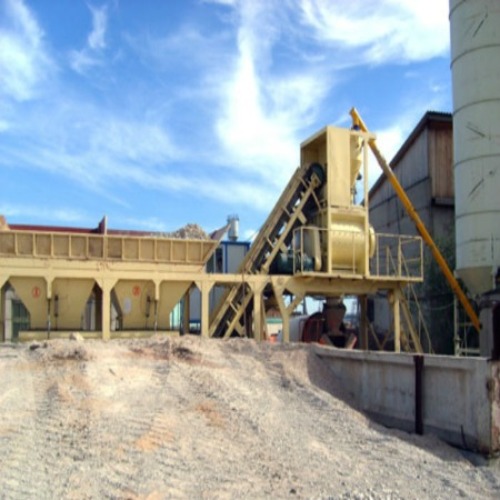
Conclusión: La esencia de la configuración reside en la redistribución del tiempo de procesamiento.
Al examinar un línea de producción de fabricación de ladrillosNo solo hay que fijarse en la estructura de acero, sino también en la distribución del tiempo de residencia del material. La precisión en la mezcla de ingredientes determina la eficacia de la inversión de tiempo; el volumen de mezcla determina la saturación de la utilización del tiempo; el método de recogida de los ladrillos determina la racionalidad del consumo de tiempo; y la forma de embalaje determina la continuidad del valor del tiempo en la logística.
La configuración óptima no se trata de maximizar todos los parámetros, sino de asegurar que la tasa de procesamiento y la capacidad de búfer de cada etapa formen una progresión geométrica. Se recomienda que el cliente solicite un diagrama de tiempo takt al diseñador durante la fase de selección de equipos, visualizando los puntos de latencia para cada ladrillo desde la entrada del polvo hasta el envío del producto terminado. La etapa que ocupa la mayor proporción de tiempo es el área central donde se deben invertir los recursos. Esta es la lógica esencial de la planificación de la línea de producción: usar la "cantidad" de equipos para descomponer la "secuencia" del proceso y luego usar el "equilibrio" del sistema para realizar la "estabilidad" de las ganancias.